


How to Get GLP-1 Naturally: What Women Over 40 Need to Know About This Weight Loss Hormone

If you’re a woman over 40, struggling with stubborn weight gain—especially around the belly—you may have come across the term GLP-1 while researching how to lose weight during perimenopause or menopause.
Maybe you saw it on TikTok. Maybe your doctor mentioned it. Or maybe you were Googling medications like Ozempic or Wegovy, and wondered: “How do I get GLP-1?”
Let’s break down what it is, why it matters for weight loss over 40, and how to support it naturally —without resorting to drugs, crash diets or exhausting workouts.

What Is GLP-1?
GLP-1 stands for glucagon-like peptide-1. It’s a hormone your body releases after eating, and it plays a major role in:
Regulating blood sugar
Controlling appetite
Slowing down digestion
Reducing cravings
Think of GLP-1 as your body’s natural appetite and metabolism regulator. The more balanced your GLP-1 levels, the more likely you are to feel full, eat less without trying, and burn fat more efficiently.
Why GLP-1 Matters for Women Over 40
During perimenopause and menopause, your hormones shift dramatically. Estrogen drops, insulin resistance can increase, and metabolism often slows—especially if you’re not eating enough protein or doing strength training.
This hormone chaos can lead to:
Constant sugar cravings
Unexplained weight gain (especially around your midsection)
Energy crashes after meals
GLP-1 helps fight back. It supports better blood sugar control, keeps cravings in check, and helps you feel satisfied after meals—exactly what your body needs during this phase of life.
Boost GLP-1 Naturally Through Lifestyle
Not everyone wants (or qualifies) for GLP-1 medications. The good news? You can support your body’s own GLP-1 production with a few key lifestyle habits:
✅ Eat More Protein
High-protein meals naturally stimulate GLP-1 release. Aim for 20–30 grams per meal to support appetite regulation and muscle maintenance.
✅ Prioritise Fiber
Soluble fiber (from foods like oats, chia seeds, lentils, and berries) helps stimulate GLP-1 and keeps digestion slow and steady.
✅ Focus on Whole, Unprocessed Foods
Avoiding ultra-processed carbs and sugars helps reduce blood sugar spikes and supports hormonal balance—naturally boosting GLP-1.
✅ Strength Training
Exercise—especially lifting weights—can improve GLP-1 sensitivity and help your body use it more effectively. And it’s crucial for maintaining metabolism after 40.
✅ Manage Stress and Sleep
Chronic stress and poor sleep can blunt GLP-1 levels and increase cravings. Even 7–8 hours of restful sleep per night can make a noticeable difference.
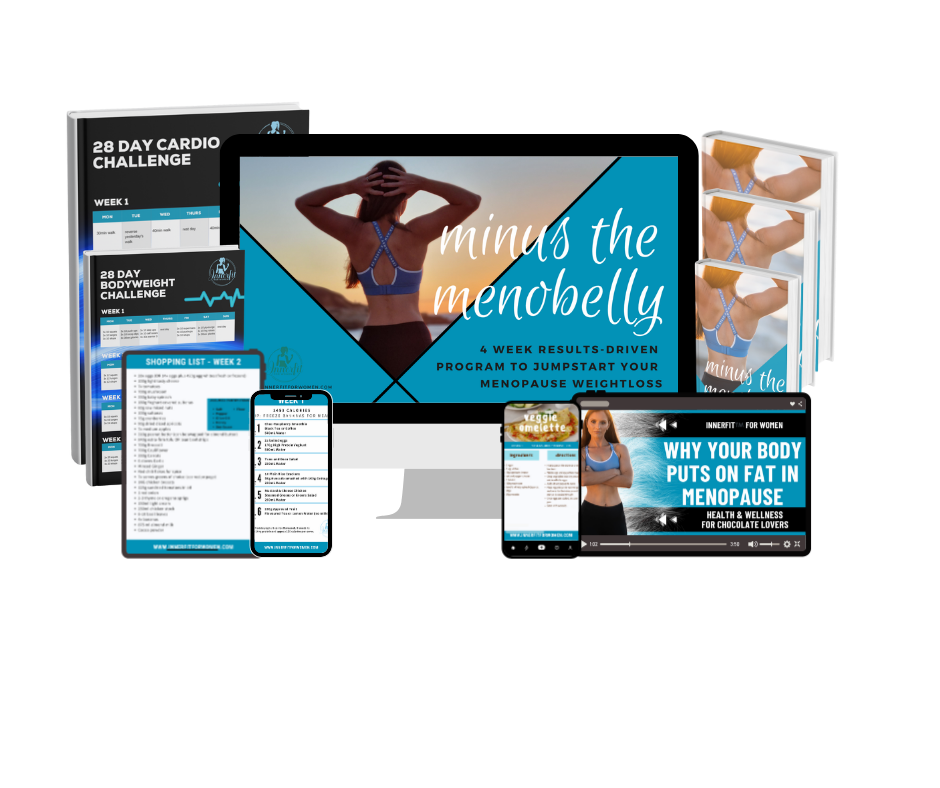
Need a program that is going to help with this?

Comments